Para maximizar la vida útil y el retorno de la inversión de la maquinaria pesada de reciclaje de metales, las instalaciones deben implementar un estricto programa de mantenimiento preventivo que se centre en la pureza del fluido hidráulico, las inspecciones diarias de los sellos de los cilindros y el reemplazo periódico de las placas de desgaste. Un mantenimiento constante previene fallas hidráulicas catastróficas, reduce el tiempo de inactividad no planificado y garantiza un alto volumen de producción continuo.
El verdadero costo de las paradas no planificadas En la altamente competitiva industria del reciclaje de metales, las paradas de los equipos son un factor determinante para la rentabilidad. Cuando una máquina de procesamiento de alta potencia se avería repentinamente, el impacto financiero va mucho más allá del costo de las piezas de repuesto. Provoca enormes cuellos de botella en la planta, retrasa los contratos de envío y deja a la mano de obra, que suele ser costosa, inactiva. Para los gerentes de compras y los operadores de instalaciones, proteger su inversión de capital significa pasar de una mentalidad reactiva de "reparar cuando se rompe" a una estrategia proactiva de mantenimiento preventivo.
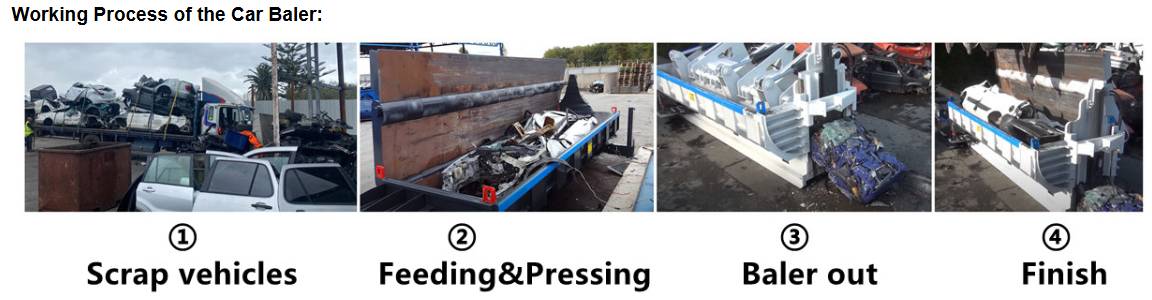
Protegiendo la sangre hidráulica El núcleo de cualquier maquinaria moderna de compactación o corte es su sistema hidráulico. Ya sea que esté operando una
empacadora de chatarra de alta resistencia
En el caso de una cizalla de pórtico de gran tamaño, el fluido hidráulico es vital para el funcionamiento de la máquina. La causa más común de fallo catastrófico es la contaminación del fluido.
Las micropartículas metálicas, el polvo y la condensación de agua pueden sortear los sellos desgastados y entrar en el depósito hidráulico. Con el tiempo, estos contaminantes actúan como papel de lija líquido, dañando bombas costosas y rayando los cilindros hidráulicos desde el interior. Para evitarlo, los operadores deben seguir estrictamente las directrices del fabricante en cuanto al reemplazo de los filtros de aceite y el análisis del fluido. Además, es fundamental controlar la temperatura del aceite hidráulico; operar una máquina con aceite sobrecalentado degrada rápidamente la viscosidad del fluido y daña las juntas tóricas internas.
Inspección de la integridad estructural y las piezas de desgaste. La maquinaria pesada está sometida a un estrés inmenso y repetitivo. Las inspecciones visuales diarias son fundamentales para detectar pequeños problemas antes de que se agraven. Los operarios deben comprobar periódicamente la integridad estructural de la cámara de la prensa para detectar microfracturas a lo largo de las líneas de soldadura.
Además, se deben controlar las piezas de desgaste, como las placas de revestimiento interior y las cuchillas de corte. Si está utilizando un
cizalla para chatarra industrial
Al trabajar con cuchillas desafiladas, el sistema hidráulico se ve obligado a esforzarse mucho más para lograr el mismo corte. Esto aumenta el consumo de energía eléctrica y sobrecarga innecesariamente los motores. La rotación o el reemplazo periódico de las cuchillas de aleación endurecida garantiza cortes limpios y eficientes, y protege los sistemas de transmisión principales de la máquina.
Colaboración para el éxito a largo plazo. En última instancia, la vida útil de su equipo de reciclaje depende de una combinación de mantenimiento diario riguroso y acceso rápido a repuestos de alta calidad. Al adquirir maquinaria, es fundamental asociarse con un fabricante que ofrezca capacitación integral en mantenimiento, sistemas de diagnóstico PLC intuitivos y una cadena de suministro global confiable para repuestos, lo que garantiza que su planta opere a pleno rendimiento año tras año.

 English
 français
 русский
 العربية
 日本語
日本語 Tiếng Việt
 中文
中文


 DIRECCIÓN : Mingjue Industry Park, Lishui District, Nanjing City, Jiangsu Province



 Red IPv6 compatible