Cómo las modernas prensas para chatarra ayudan a las plantas de reciclaje a cumplir con las normas medioambientales de 2026.
April 20 , 2026
Moderno
empacadoras de chatarra
Ayudar a las plantas de reciclaje a cumplir con las estrictas normas ambientales de 2026 mediante la incorporación de sistemas hidráulicos altamente sellados para prevenir la contaminación del suelo, el uso de servomotores de bajo consumo energético para reducir la huella de carbono y la habilitación de una compactación de densidad extrema que reduce drásticamente las emisiones del transporte.
La nueva era del cumplimiento de las normas de reciclaje ecológico
A medida que avanzamos hacia 2026, la industria mundial del reciclaje de chatarra se enfrenta a un escrutinio regulatorio sin precedentes. Gobiernos y agencias de protección ambiental en Europa, Norteamérica y los centros de fabricación en rápido desarrollo están aplicando rigurosamente nuevos mandatos ambientales, sociales y de gobernanza (ESG). Hoy en día, las plantas de reciclaje ya no se evalúan únicamente por el volumen de metal que procesan, sino principalmente por la sostenibilidad, la limpieza y la seguridad de sus operaciones. La modernización con equipos ecológicos ya no es solo una estrategia de relaciones públicas; es una necesidad imperiosa para evitar multas cuantiosas, retrasos operativos o el cierre de las instalaciones.
Eliminación de la contaminación del suelo y del agua subterránea
Históricamente, la maquinaria pesada que operaba en depósitos de chatarra al aire libre era conocida por las graves fugas de aceite hidráulico. Según las nuevas directrices ambientales internacionales de 2026, incluso una contaminación menor del suelo y del agua subterránea puede resultar en sanciones económicas devastadoras. Modernice sus instalaciones con un sistema de gestión de residuos moderno.
empacadora de chatarra
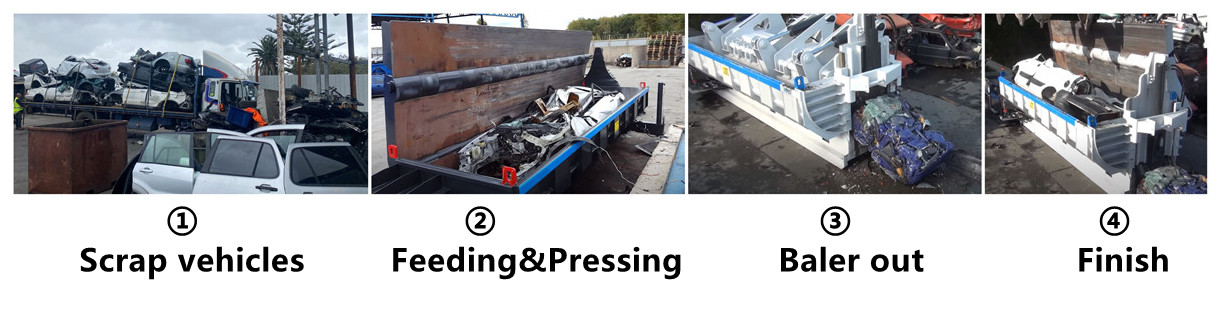
Elimina eficazmente este riesgo. La última generación de máquinas está diseñada con arquitecturas hidráulicas avanzadas y herméticas. Incorporan mangueras reforzadas de alta presión, juntas tóricas personalizadas y bandejas de recogida de fluidos integradas. Estos sistemas cerrados y a prueba de fallos garantizan que los fluidos hidráulicos tóxicos nunca lleguen al suelo, manteniendo así el cumplimiento normativo en sus operaciones diarias.
Reducción de la huella de carbono del procesamiento de metales
El consumo de energía es otro punto clave de las normas ambientales modernas. Las empacadoras antiguas que funcionan continuamente consumen grandes cantidades de electricidad de la red, lo que contribuye significativamente a la huella de carbono general de una planta de reciclaje. La tecnología de vanguardia actual
equipos de empacado ecológicos
Utiliza sistemas PLC (Controladores Lógicos Programables) de alta inteligencia, combinados con variadores de frecuencia (VFD) y servomotores. Esta tecnología inteligente garantiza que las bombas hidráulicas de la máquina solo consuman la máxima potencia durante la carrera de compactación y se apaguen inmediatamente durante los periodos de inactividad. Esto reduce drásticamente el consumo total de kilovatios-hora (kWh) por tonelada de chatarra procesada.
Reducción drástica de las emisiones de Alcance 3 en la cadena de suministro
Quizás uno de los beneficios ambientales más significativos de un alto rendimiento
máquina empacadora de metal hidráulica
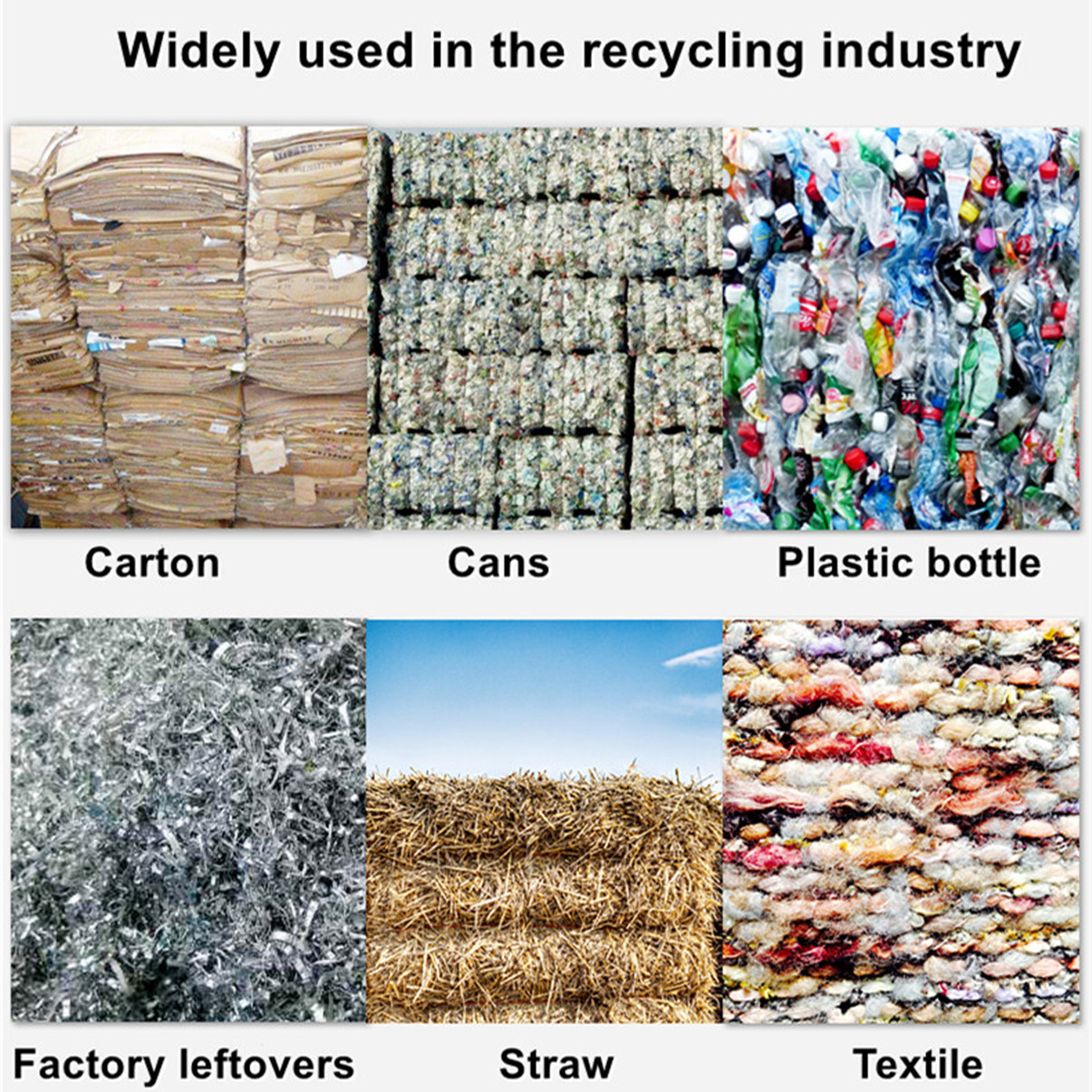
El transporte de chatarra suelta y sin compactar se realiza completamente fuera de los límites del depósito. Esto implica un número excesivo de viajes en camiones diésel para llevar el material a la fundición. Al compactar el metal suelto en bloques ultradensos y uniformes, las empacadoras modernas maximizan la carga útil permitida de cada camión. Esto reduce significativamente el número total de vehículos pesados en circulación, disminuyendo de forma directa y cuantificable las emisiones de gases de efecto invernadero (Alcance 3) asociadas a la logística de la cadena de suministro.
Cómo preparar su negocio de reciclaje para el futuro
En definitiva, cumplir con los estándares ambientales de 2026 implica preparar su negocio para el futuro. Las presiones regulatorias no harán más que aumentar en los próximos años. Al invertir de forma proactiva en tecnología de compactación avanzada, los operadores de depósitos de chatarra pueden garantizar operaciones ininterrumpidas, acceder a incentivos para la industria verde y fortalecer sus relaciones con las principales acerías que requieren cadenas de suministro sostenibles.

 English
 français
 русский
 العربية
 日本語
日本語 Tiếng Việt
 中文
中文


 DIRECCIÓN : Mingjue Industry Park, Lishui District, Nanjing City, Jiangsu Province



 Red IPv6 compatible